Buy kwzv.com ?
We are moving the project
kwzv.com .
Are you interested in purchasing the domain
kwzv.com ?
domain@kv-gmbh.de · 0541-91531010
Buy kwzv.com ?
What are sensory cells, sensory organs, and senses?
Sensory cells are specialized cells that detect and respond to specific stimuli, such as light, sound, touch, taste, and smell. These cells are found in sensory organs, which are structures in the body that contain sensory cells and are responsible for detecting and transmitting sensory information to the brain. The senses, on the other hand, are the physiological capacities of organisms that provide data for perception. They include sight, hearing, touch, taste, and smell, and are essential for experiencing and interacting with the environment. **
What is the difference between a primary sensory cell, a secondary sensory cell, and a sensory nerve cell?
Primary sensory cells are specialized cells that directly detect stimuli from the environment, such as light, sound, or touch. Secondary sensory cells receive signals from primary sensory cells and transmit them to the central nervous system. Sensory nerve cells, also known as sensory neurons, are responsible for transmitting the signals from secondary sensory cells to the brain, where they are processed and interpreted. In summary, primary sensory cells detect stimuli, secondary sensory cells relay the signals, and sensory nerve cells transmit the signals to the brain for processing. **


Similar search terms for Sensory
Top-Angebote
Products related to Sensory:
-
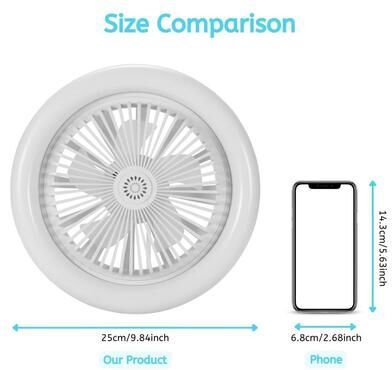
Uplift Picks AirHalo Portable Ceiling Fan Compact USB Rechargeable Mini Fan AirHalo Portable Ceiling Fan Compact USB Rechargeable Mini FanStay cool anywhere with this portable ceiling fan designed for convenience and modern living. Its compact size delivers refreshing airflow without taking up much space, making it perfect for small rooms or travel use. Lightweight and easy to...168,50 $*Shipping: 0,00 $Secure redirect to the provider
-
Inspire Picks Mini Metal Gear Fidget Spinner Portable Gyroscope Sensory Toy silverKeep restless hands engaged with this compact metal fidget spinner featuring a distinctive gearinspired gyroscope design. Its miniature size makes it easy to carry for convenient fidgeting at home, school, work, or while traveling. The spinning...35,63 $*Shipping: 0,00 $Secure redirect to the provider
-
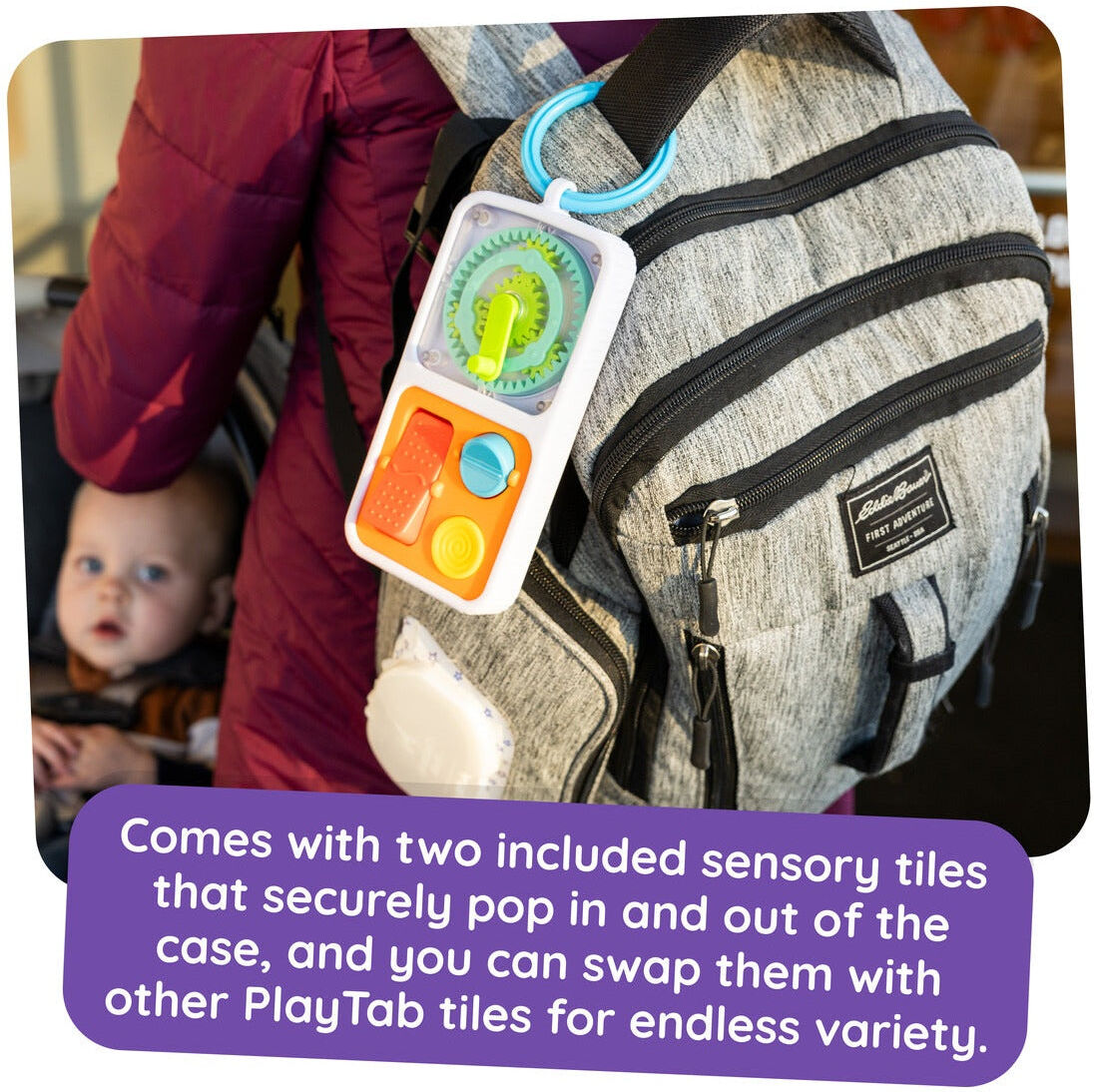
Fat Brain Toy Co. Fat Brain Toys PlayTab Go Portable Sensory Activity Toy for Travel and Everyday Exploration - Compact - Ages 3 and UpKeep little hands busy wherever the day takes you with the Fat Brain Toys PlayTab Go, a compact sensory activity toy designed for travel, waiting times, and everyday exploration. This portable version of the popular PlayTab activity board combines tactile play with a flexible case and handy clip ring, making it easy to attach to a car seat, pushchair, changing bag, or other suitable loop. The PlayTab Go includes two interchangeable sensory tiles that fit into the durable flexible case. Children can push, slide, spin, and click the different elements, enjoying satisfying hands-on play while developing early coordination and cause-and-effect awareness. The tiles can also be swapped with other compatible PlayTab tiles, available separately, giving families the option to extend the play experience. With no batteries or screens required, this is a simple, engaging toy for use at home or on the move. Its compact format is suited to car journeys, airplane trips, restaurants, and quiet play.11,49 £*Shipping: 3,95 £Secure redirect to the provider
-
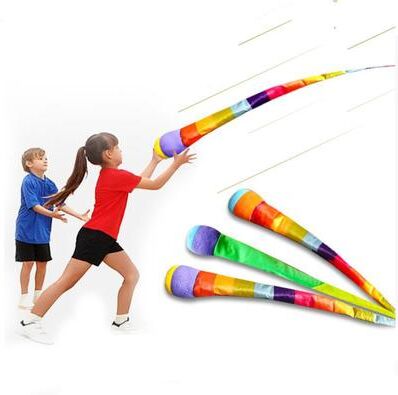
Discount Dollar Deals Interactive Rainbow Sandbag Sensory Toy For Children Parent Child Outdoor Meteor Ball, Windproof Durable Interactive Rainbow Sandbag Sensory Toy For Children Parent Child Outdoor Meteor Ball, Windproof DurableLooking for a fun way to boost your childs physical activity and sensory development The Interactive Rainbow Sandbag Sensory Toy is perfect for parents and kids alike, encouraging interactive play while developing motor skills. This colorful meteor...32,97 $*Shipping: 0,00 $Secure redirect to the provider

-
Are receptors sensory cells?
Receptors are not sensory cells themselves, but they are specialized proteins located on the surface of sensory cells. These receptors are responsible for detecting and responding to specific stimuli, such as light, sound, taste, or smell. When a receptor is activated by a stimulus, it triggers a series of biochemical reactions within the sensory cell, ultimately leading to the generation of a sensory signal that can be transmitted to the brain for processing. Therefore, while receptors are not sensory cells, they play a crucial role in the sensory process by detecting and transducing stimuli into neural signals. **
-
What is sensory perception?
Sensory perception refers to the process of receiving and interpreting information from the environment through the senses. This includes the five main senses of sight, hearing, touch, taste, and smell, as well as other sensory experiences such as balance, proprioception, and temperature. The brain then processes this sensory information to create a perception of the world around us, allowing us to interact with and understand our surroundings. Sensory perception is essential for everyday functioning and plays a crucial role in how we experience and navigate the world. **
-
How does sensory development progress?
Sensory development progresses through a series of stages, beginning with basic sensory experiences such as touch, taste, and smell in infancy. As children grow, they develop more refined sensory abilities, such as improved vision and hearing, and begin to integrate sensory information to make sense of their environment. This process continues into adolescence and adulthood, with individuals becoming more adept at interpreting and responding to sensory stimuli. Overall, sensory development progresses from basic sensory experiences to more complex and integrated sensory abilities as individuals mature. **
-
Why is sensory transduction necessary?
Sensory transduction is necessary because it allows the body to convert various forms of environmental stimuli, such as light, sound, touch, and chemical signals, into electrical signals that can be interpreted by the nervous system. This process is essential for the body to perceive and respond to its surroundings, allowing for the detection of potential dangers, the regulation of bodily functions, and the experience of sensations such as taste, smell, and touch. Without sensory transduction, the body would not be able to effectively interact with its environment and respond to changes in its surroundings. **

What are artificial sensory organs?
Artificial sensory organs are devices designed to mimic the functions of natural sensory organs, such as the eyes, ears, and skin. These devices use advanced technology to detect and process sensory information, allowing individuals to perceive and interact with their environment in a way that is similar to natural sensory organs. Artificial sensory organs have the potential to enhance or restore sensory capabilities for individuals with disabilities, as well as to provide new sensory experiences for people without impairments. These technologies have the potential to revolutionize healthcare and human-computer interaction. **
What are sensory nerve cells?
Sensory nerve cells, also known as sensory neurons, are specialized cells that transmit information from the body's sensory organs (such as the skin, eyes, ears, nose, and tongue) to the central nervous system. These cells are responsible for detecting various stimuli, such as touch, temperature, pain, and pressure, and converting these stimuli into electrical signals that can be interpreted by the brain. Sensory nerve cells play a crucial role in allowing us to perceive and respond to our environment. **
Top-Angebote
Products related to Sensory:
-
Bouncyband Pop-Up Portable Sensory Dark DenThe Pop-Up Portable Sensory Dark Den makes it simple to create a calm, ever-changing environment for classroom and home use. Perfect for children who need a distraction free setting or stimulation via glowing objects.148,99 $*Shipping: 0,00 $Secure redirect to the provider
-
Uplift Picks GearGlide Mini Metal Fidget Spinner For Portable Sensory Play GearGlide Mini Metal Fidget Spinner For Portable Sensory PlayGive busy hands a satisfying way to stay engaged. This compact gear gyroscope toy pairs a metallic build with mechanical styling that stands out from plastic spinners. Made for adults, teens, and supervised older children, it offers screenfree...70,00 $*Shipping: 0,00 $Secure redirect to the provider
-
Uplift Picks AirHalo Portable Ceiling Fan Compact USB Rechargeable Mini Fan AirHalo Portable Ceiling Fan Compact USB Rechargeable Mini FanStay cool anywhere with this portable ceiling fan designed for convenience and modern living. Its compact size delivers refreshing airflow without taking up much space, making it perfect for small rooms or travel use. Lightweight and easy to...168,50 $*Shipping: 0,00 $Secure redirect to the provider
-
Inspire Picks Mini Metal Gear Fidget Spinner Portable Gyroscope Sensory Toy silverKeep restless hands engaged with this compact metal fidget spinner featuring a distinctive gearinspired gyroscope design. Its miniature size makes it easy to carry for convenient fidgeting at home, school, work, or while traveling. The spinning...35,63 $*Shipping: 0,00 $Secure redirect to the provider
-
What are sensory cells, sensory organs, and senses?
Sensory cells are specialized cells that detect and respond to specific stimuli, such as light, sound, touch, taste, and smell. These cells are found in sensory organs, which are structures in the body that contain sensory cells and are responsible for detecting and transmitting sensory information to the brain. The senses, on the other hand, are the physiological capacities of organisms that provide data for perception. They include sight, hearing, touch, taste, and smell, and are essential for experiencing and interacting with the environment. **
-
What is the difference between a primary sensory cell, a secondary sensory cell, and a sensory nerve cell?
Primary sensory cells are specialized cells that directly detect stimuli from the environment, such as light, sound, or touch. Secondary sensory cells receive signals from primary sensory cells and transmit them to the central nervous system. Sensory nerve cells, also known as sensory neurons, are responsible for transmitting the signals from secondary sensory cells to the brain, where they are processed and interpreted. In summary, primary sensory cells detect stimuli, secondary sensory cells relay the signals, and sensory nerve cells transmit the signals to the brain for processing. **
-
Are receptors sensory cells?
Receptors are not sensory cells themselves, but they are specialized proteins located on the surface of sensory cells. These receptors are responsible for detecting and responding to specific stimuli, such as light, sound, taste, or smell. When a receptor is activated by a stimulus, it triggers a series of biochemical reactions within the sensory cell, ultimately leading to the generation of a sensory signal that can be transmitted to the brain for processing. Therefore, while receptors are not sensory cells, they play a crucial role in the sensory process by detecting and transducing stimuli into neural signals. **
-
What is sensory perception?
Sensory perception refers to the process of receiving and interpreting information from the environment through the senses. This includes the five main senses of sight, hearing, touch, taste, and smell, as well as other sensory experiences such as balance, proprioception, and temperature. The brain then processes this sensory information to create a perception of the world around us, allowing us to interact with and understand our surroundings. Sensory perception is essential for everyday functioning and plays a crucial role in how we experience and navigate the world. **
Similar search terms for Sensory
-
Fat Brain Toy Co. Fat Brain Toys PlayTab Go Portable Sensory Activity Toy for Travel and Everyday Exploration - Compact - Ages 3 and UpKeep little hands busy wherever the day takes you with the Fat Brain Toys PlayTab Go, a compact sensory activity toy designed for travel, waiting times, and everyday exploration. This portable version of the popular PlayTab activity board combines tactile play with a flexible case and handy clip ring, making it easy to attach to a car seat, pushchair, changing bag, or other suitable loop. The PlayTab Go includes two interchangeable sensory tiles that fit into the durable flexible case. Children can push, slide, spin, and click the different elements, enjoying satisfying hands-on play while developing early coordination and cause-and-effect awareness. The tiles can also be swapped with other compatible PlayTab tiles, available separately, giving families the option to extend the play experience. With no batteries or screens required, this is a simple, engaging toy for use at home or on the move. Its compact format is suited to car journeys, airplane trips, restaurants, and quiet play.11,49 £*Shipping: 3,95 £Secure redirect to the provider
-
Discount Dollar Deals Interactive Rainbow Sandbag Sensory Toy For Children Parent Child Outdoor Meteor Ball, Windproof Durable Interactive Rainbow Sandbag Sensory Toy For Children Parent Child Outdoor Meteor Ball, Windproof DurableLooking for a fun way to boost your childs physical activity and sensory development The Interactive Rainbow Sandbag Sensory Toy is perfect for parents and kids alike, encouraging interactive play while developing motor skills. This colorful meteor...32,97 $*Shipping: 0,00 $Secure redirect to the provider
-
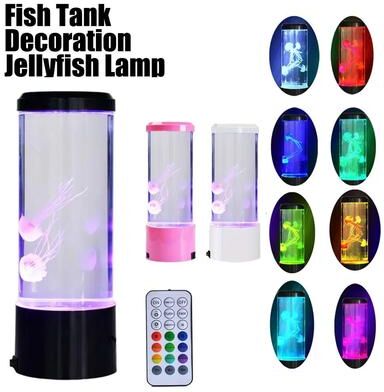
Uplift Essentials Floating Jellyfish Sensory Mood Lamp Floating Jellyfish Sensory Mood LampDive into a world of tranquility with the Floating Jellyfish Sensory Mood Lamp, a mesmerizing centerpiece designed to bring the calming depths of the ocean into your living space. This highdefinition aquarium uses advanced fluid dynamics to create a...72,97 $*Shipping: 0,00 $Secure redirect to the provider
-
Inspire Essentials Watermelon Slushie Squishy Sensory Toy Watermelon Slushie Squishy Sensory ToyAdd a playful splash of summer style to your desk or room with this watermelon squishy toy. Designed to resemble a refreshing watermelon slushie in a cup, it combines realistic food inspired details with satisfying squeezable fun. This sensory...41,48 $*Shipping: 0,00 $Secure redirect to the provider
-
How does sensory development progress?
Sensory development progresses through a series of stages, beginning with basic sensory experiences such as touch, taste, and smell in infancy. As children grow, they develop more refined sensory abilities, such as improved vision and hearing, and begin to integrate sensory information to make sense of their environment. This process continues into adolescence and adulthood, with individuals becoming more adept at interpreting and responding to sensory stimuli. Overall, sensory development progresses from basic sensory experiences to more complex and integrated sensory abilities as individuals mature. **
-
Why is sensory transduction necessary?
Sensory transduction is necessary because it allows the body to convert various forms of environmental stimuli, such as light, sound, touch, and chemical signals, into electrical signals that can be interpreted by the nervous system. This process is essential for the body to perceive and respond to its surroundings, allowing for the detection of potential dangers, the regulation of bodily functions, and the experience of sensations such as taste, smell, and touch. Without sensory transduction, the body would not be able to effectively interact with its environment and respond to changes in its surroundings. **
-
What are artificial sensory organs?
Artificial sensory organs are devices designed to mimic the functions of natural sensory organs, such as the eyes, ears, and skin. These devices use advanced technology to detect and process sensory information, allowing individuals to perceive and interact with their environment in a way that is similar to natural sensory organs. Artificial sensory organs have the potential to enhance or restore sensory capabilities for individuals with disabilities, as well as to provide new sensory experiences for people without impairments. These technologies have the potential to revolutionize healthcare and human-computer interaction. **
-
What are sensory nerve cells?
Sensory nerve cells, also known as sensory neurons, are specialized cells that transmit information from the body's sensory organs (such as the skin, eyes, ears, nose, and tongue) to the central nervous system. These cells are responsible for detecting various stimuli, such as touch, temperature, pain, and pressure, and converting these stimuli into electrical signals that can be interpreted by the brain. Sensory nerve cells play a crucial role in allowing us to perceive and respond to our environment. **
* All prices are inclusive of VAT and, if applicable, plus shipping costs. The offer information is based on the details provided by the respective shop and is updated through automated processes. Real-time updates do not occur, so deviations can occur in individual cases. ** Note: Parts of this content were created by AI.