Buy kwzv.com ?
We are moving the project
kwzv.com .
Are you interested in purchasing the domain
kwzv.com ?
domain@kv-gmbh.de · 0541-91531010
Buy kwzv.com ?
How can you seal pipe joints waterproof?
To seal pipe joints waterproof, you can use a variety of methods such as using Teflon tape or pipe joint compound. Teflon tape is wrapped around the threads of the pipe before connecting the joints to create a tight seal. Pipe joint compound, also known as pipe dope, is applied to the threads of the pipe before connecting the joints to prevent leaks. Additionally, using rubber gaskets or O-rings can also help create a waterproof seal at pipe joints. **
How can one seal pipe joints waterproof?
To seal pipe joints waterproof, one can use a waterproof sealant or adhesive specifically designed for plumbing applications. Before applying the sealant, it is important to clean and dry the pipe joints thoroughly to ensure a proper bond. Apply the sealant generously around the joint and allow it to cure according to the manufacturer's instructions. Additionally, using waterproof tape or wrapping the joint with waterproof tape can provide an extra layer of protection against leaks. **
Similar search terms for Euroricambi-95534999-Shaft-Seal
Top-Angebote
Products related to Euroricambi-95534999-Shaft-Seal:



-
How can one seal an old wet cell waterproof?
To seal an old wet cell waterproof, you can start by ensuring the cell is completely dry before attempting to seal it. Once dry, you can use a waterproof sealant or coating to cover the cell and create a waterproof barrier. Make sure to apply the sealant evenly and allow it to fully cure before exposing the cell to any moisture. Additionally, you may want to consider using a waterproofing tape or adhesive to reinforce the sealant for added protection. **
-
What about the shaft?
The shaft is a long, narrow part of a structure or object that typically provides support or serves as a passageway. In the context of machinery or equipment, the shaft is often used to transmit power or motion from one part to another. It is important to ensure that the shaft is properly aligned, lubricated, and maintained to prevent wear and damage, which can lead to equipment failure. **
-
How can one seal a box to make it waterproof?
To make a box waterproof, one can use waterproof tape or sealant around the edges and seams of the box. Another option is to use a waterproof plastic liner inside the box before placing items in it. Additionally, one can use a waterproof spray or coating on the outside of the box to provide an extra layer of protection against water. **
-
What is a supply shaft?
A supply shaft is a vertical or inclined tunnel used to transport materials, equipment, or personnel between the surface and underground mining operations. It serves as a vital lifeline for miners by providing access to the underground workings for ventilation, transportation, and the delivery of supplies. Supply shafts are typically equipped with cages or skips that move up and down the shaft to transport materials and personnel safely. These shafts are essential for the efficient operation of underground mines. **


Is it a mechanical shaft?
Without more context or information, it is difficult to determine if the object in question is a mechanical shaft. A mechanical shaft is typically a rotating component used to transmit power in machinery. To determine if the object is a mechanical shaft, one would need to examine its shape, size, material, and function within a larger system. If the object is cylindrical, metal, and part of a machine that requires rotational movement, it is possible that it could be a mechanical shaft. **
How is a shaft constructed?
A shaft is typically constructed by first excavating the ground to the required depth and diameter. Then, a support structure such as steel or concrete lining is installed to stabilize the walls of the shaft and prevent collapse. The shaft may also be reinforced with additional materials such as rock bolts or shotcrete. Finally, the bottom of the shaft is often sealed with a concrete plug to provide a stable foundation for any structures or equipment that will be installed within the shaft. **
Top-Angebote
Products related to Euroricambi-95534999-Shaft-Seal:
-
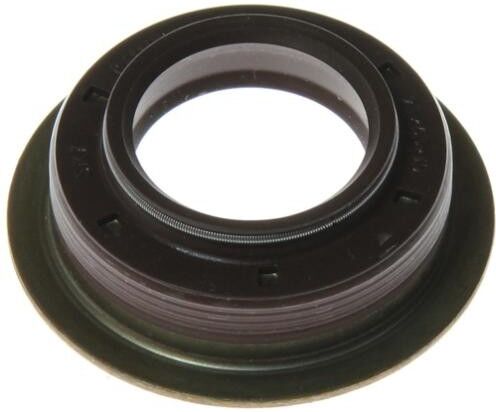
Euroricambi 95534999 Shaft Seal, manual transmission main shaftWeight [kg]: 0.025; Inner Diameter [mm]: 25; Outer Diameter [mm]: 40; Thickness: 15; Transmission Code: ZF ECOSPLIT III:, 8S151/16S151/16S181 , 16S221, ZF NEW ECOSPLIT III:, 16S2321/ 16S2520, ZF ECOSPLIT IV :, 12S233310,49 £*Shipping: 8,45 £Secure redirect to the provider
-
How can you seal pipe joints waterproof?
To seal pipe joints waterproof, you can use a variety of methods such as using Teflon tape or pipe joint compound. Teflon tape is wrapped around the threads of the pipe before connecting the joints to create a tight seal. Pipe joint compound, also known as pipe dope, is applied to the threads of the pipe before connecting the joints to prevent leaks. Additionally, using rubber gaskets or O-rings can also help create a waterproof seal at pipe joints. **
-
How can one seal pipe joints waterproof?
To seal pipe joints waterproof, one can use a waterproof sealant or adhesive specifically designed for plumbing applications. Before applying the sealant, it is important to clean and dry the pipe joints thoroughly to ensure a proper bond. Apply the sealant generously around the joint and allow it to cure according to the manufacturer's instructions. Additionally, using waterproof tape or wrapping the joint with waterproof tape can provide an extra layer of protection against leaks. **
-
How can one seal an old wet cell waterproof?
To seal an old wet cell waterproof, you can start by ensuring the cell is completely dry before attempting to seal it. Once dry, you can use a waterproof sealant or coating to cover the cell and create a waterproof barrier. Make sure to apply the sealant evenly and allow it to fully cure before exposing the cell to any moisture. Additionally, you may want to consider using a waterproofing tape or adhesive to reinforce the sealant for added protection. **
-
What about the shaft?
The shaft is a long, narrow part of a structure or object that typically provides support or serves as a passageway. In the context of machinery or equipment, the shaft is often used to transmit power or motion from one part to another. It is important to ensure that the shaft is properly aligned, lubricated, and maintained to prevent wear and damage, which can lead to equipment failure. **
Similar search terms for Euroricambi-95534999-Shaft-Seal
-
How can one seal a box to make it waterproof?
To make a box waterproof, one can use waterproof tape or sealant around the edges and seams of the box. Another option is to use a waterproof plastic liner inside the box before placing items in it. Additionally, one can use a waterproof spray or coating on the outside of the box to provide an extra layer of protection against water. **
-
What is a supply shaft?
A supply shaft is a vertical or inclined tunnel used to transport materials, equipment, or personnel between the surface and underground mining operations. It serves as a vital lifeline for miners by providing access to the underground workings for ventilation, transportation, and the delivery of supplies. Supply shafts are typically equipped with cages or skips that move up and down the shaft to transport materials and personnel safely. These shafts are essential for the efficient operation of underground mines. **
-
Is it a mechanical shaft?
Without more context or information, it is difficult to determine if the object in question is a mechanical shaft. A mechanical shaft is typically a rotating component used to transmit power in machinery. To determine if the object is a mechanical shaft, one would need to examine its shape, size, material, and function within a larger system. If the object is cylindrical, metal, and part of a machine that requires rotational movement, it is possible that it could be a mechanical shaft. **
-
How is a shaft constructed?
A shaft is typically constructed by first excavating the ground to the required depth and diameter. Then, a support structure such as steel or concrete lining is installed to stabilize the walls of the shaft and prevent collapse. The shaft may also be reinforced with additional materials such as rock bolts or shotcrete. Finally, the bottom of the shaft is often sealed with a concrete plug to provide a stable foundation for any structures or equipment that will be installed within the shaft. **
* All prices are inclusive of VAT and, if applicable, plus shipping costs. The offer information is based on the details provided by the respective shop and is updated through automated processes. Real-time updates do not occur, so deviations can occur in individual cases. ** Note: Parts of this content were created by AI.